Obesity Surgery Turkey
Smile Center Turkey
Bariatric surgery, also known as obesity surgery, is a procedure that changes how your digestive system works to help you lose weight. It’s important to note the difference between obesity surgery and metabolic surgery. Metabolic surgery is specifically designed to address disorders such as diabetes and metabolic issues that haven’t improved with lifestyle changes and medications.
If you need to lose weight and have a high weight, bariatric surgery is a great option to consider. This surgical treatment aims to promote weight loss and improve overall health. Obesity can lead to various health problems, including heart disease, diabetes, joint disorders, and more.
Obesity Surgery Turkey Before and After Photos
It contains photos of patients who have given permission to share the before-and-after conditions of their hair transplant on this website.
What is Obesity Surgery?
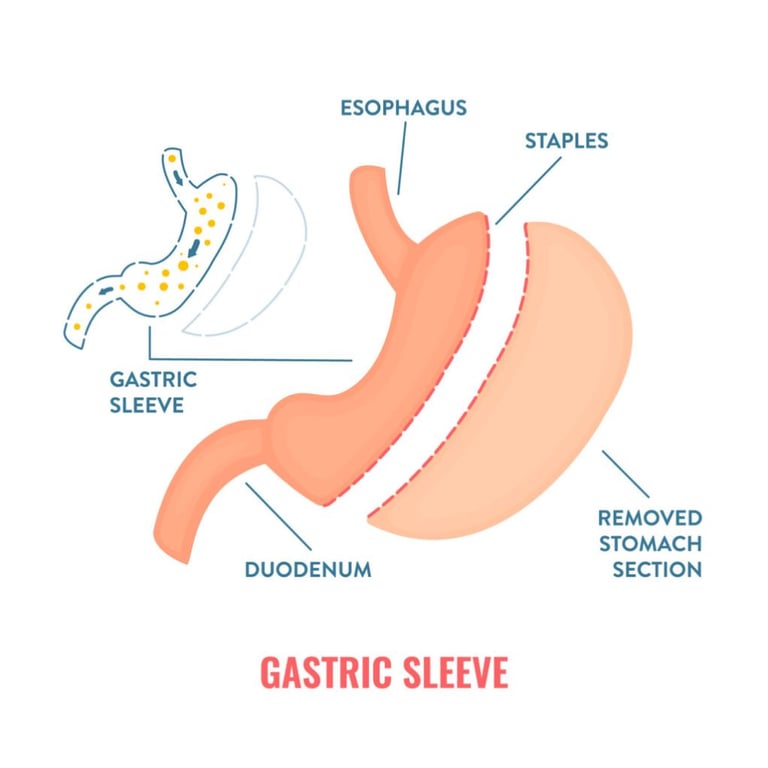
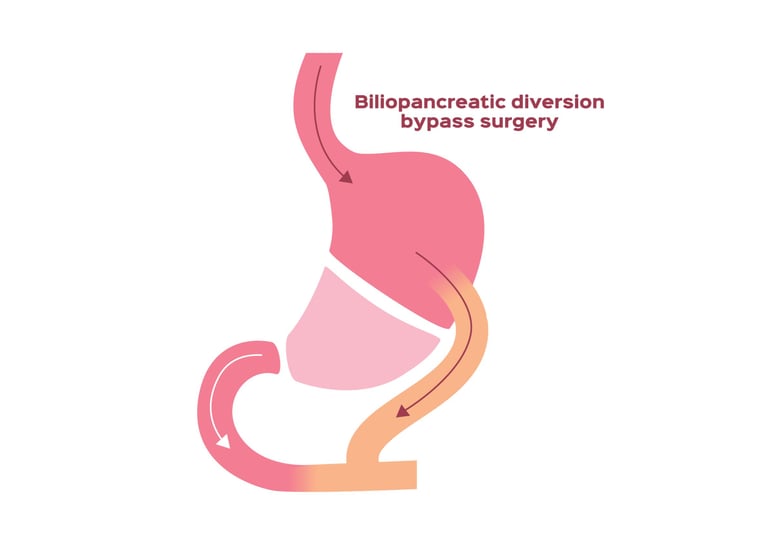
Obesity surgery, also known as weight-loss surgery, helps people who are very overweight or obese to lose weight. The goal is to change the stomach’s size or alter how the digestive system works, making it harder for a person to eat a lot and absorb too much food. There are different types of obesity surgery, like gastric bypass or gastric sleeve, which can be done with small cuts or traditional open surgery.
Before getting obesity surgery, a person goes through a detailed checkup to find the best procedure based on their weight and health. This surgery is considered when regular ways of losing weight, like diet and exercise, don’t work, and when being very overweight is causing serious health problems.
Even though obesity surgery can help with weight loss and health, it’s important to know it’s not the only solution. It’s part of a bigger plan that includes changing how you live and ongoing help from doctors. After the surgery, people work with healthcare professionals to make sure they continue to lose weight and stay healthy.
Easy 5 Steps to Look Great, Feel Great!

Contact
Contact our team of experts and let us know your needs and expectations.

Online Consultation
Get a free online consultation as soon as you get in touch with us.

Treatment Plan
Reach alternative treatment plans that offer the best solution for your healthcare.

Booking
Booking a treatment has never been easier. Simply set your dates, book your flight ticket, and leave the rest to us.

Smile
We will always make you smile with all the services we offer during and after your treatment.
Hollywood Smile Turkey Overview
Treatment Objective
DHI (Direct Hair Implantation) hair transplantation method involves transplanting individual hair follicles directly into balding or sparse areas. This procedure aims to provide maximum density and natural appearance. DHI uses a pen-like device specially designed for precise application and allows the grafts to be transplanted directly, which speeds up the healing process and helps the results to be more natural.
Procedure Duration
It can usually take between 6-8 hours depending on the number of follicles harvested and transplanted.
Hospital Stay
Usually no hospitalisation is required; however, a short rest period is recommended after the procedure.
Recommended Stay Duration
After the procedure, it is recommended that patients stay for an average of 3-4 days during treatment, especially for the first wash and controls.
Post-Treatment Potential Symptoms
Side effects such as mild pain, swelling and redness may occur after the treatment. These side effects usually subside within a few days. Since the DHI method is minimally invasive, it carries less risk of side effects compared to traditional methods.
Estimated Recovery Period
The DHI method accelerates the healing process and patients can usually return to their daily activities a few days after the procedure. Full hair growth and aesthetic results may take several months to be seen and results are usually optimised within 6-12 months.
Obesity Surgery Turkey Comparative Price Table
Obesity Surgery Procedure
The Obesity Surgery Procedure starts with a thorough examination and planning. Before the surgery, tests like blood, urine, and imaging are done to check the patient’s suitability for the treatment. The surgeon then decides on the type of surgery needed based on the individual’s needs. Patients shouldn’t take blood thinners eight hours before the surgery and must have an empty stomach.
Obesity surgery duration varies, typically lasting between 1 and 3 hours, depending on the specific procedure chosen. After the surgery, patients usually need to stay in the hospital for 3-4 nights. During this time, healthcare professionals monitor their recovery and provide necessary care. The average length of stay for patients undergoing obesity surgery is around 3-4 days, ensuring a comprehensive post-operative observation period to support a smooth recovery process. Similarly, tummy tuck Turkey also requires a recovery period, typically involving a hospital stay of 2-3 nights, with healthcare providers monitoring your progress and ensuring a safe recovery.
There are various obesity surgery methods, like Gastric Bypass and Robotic Surgery, chosen based on health and BMI. After surgery, additional approaches like drug therapy, diets, and exercise may be recommended to support the overall effectiveness of the procedure.
Smile Clinic
Obesity Surgery Turkey Overview
Obesity surgery is performed to help individuals with obesity problems control their excess weight and help them transition to a healthy lifestyle. These surgical procedures work by reducing stomach volume or affecting intestinal absorption to promote weight loss.
Obesity surgery can vary depending on the type of procedure. It can usually take between 1 and 3 hours.
Hospitalisation for 3-4 nights is required.
An average stay of 3-4 days is sufficient.
Side effects after bariatric surgery may include swelling, bruising, pain, irritation at the stitches and changes in bowel habits. Side effects decrease over time.
The recovery process may vary depending on the type of surgery and the general health of the patient. However, most patients can return to normal within a few weeks to a few months after surgery.
Who is Suitable for This Treatment?
People who tried traditional methods like diets and exercise and didn’t make progress, especially if excess weight is causing serious health issues, can consider obesity surgery. In Turkey, obesity surgery is typically performed on individuals aged 18 to 65.
BMI, calculated from weight and height, is crucial for deciding if someone is suitable for weight-loss surgery. Adults with a BMI of 40 or higher are potential candidates. Those with a BMI of 35 or higher, along with a weight-related medical issue and at least six months of supervised weight loss attempts, may also be suitable for this treatment. Teens with a BMI of 35 or higher and obesity-related medical conditions may be considered. A thorough medical exam checks for issues like sleep apnea, cardiovascular disease, kidney disease, and liver disease. Similarly, liposuction Turkey is often considered for those looking to remove stubborn fat deposits that don’t respond to diet or exercise. However, it is also essential for patients to have a healthy BMI and be in good overall health to ensure the best outcomes and minimize potential risks.
Certain conditions, such as blood clotting disorders, severe heart disease, and other factors increasing anesthesia risks, may make an individual ineligible for surgery. It’s essential to consult with a healthcare professional to determine if weight-loss surgery is a suitable option based on individual health conditions and circumstances.
Obesity Surgery Turkey Pros and Cons of
The Obesity Surgery Procedure starts with a thorough examination and planning. Before the surgery, tests like blood, urine, and imaging are done to check the patient’s suitability for the treatment. The surgeon then decides on the type of surgery needed based on the individual’s needs. Patients shouldn’t take blood thinners eight hours before the surgery and must have an empty stomach. Obesity surgery duration varies, typically lasting between 1 and 3 hours, depending on the specific procedure chosen. After the surgery, patients usually need to stay in the hospital for 3-4 nights. During this time, healthcare professionals monitor their recovery and provide necessary care. The average length of stay for patients undergoing obesity surgery is around 3-4 days, ensuring a comprehensive post-operative observation period to support a smooth recovery process. Drastic weight loss within a relatively short period, typically around 12 months. This can result in shedding 70-80% of excess weight, promoting overall health and well-being.
Obesity surgery has been shown to reduce the risk and severity of various health issues associated with excess weight. This includes improvements in heart health, diabetes management, lower cholesterol levels, and better control of blood pressure, collectively enhancing overall health.
Beyond physical health benefits, obesity surgery can positively impact mental and emotional well-being. It has been linked to improvements in sleep apnea, reduction in joint pain, and an overall enhancement in mental and physical health.
What is included in the treatment packages
Accommodation
VIP Transfer
Private Advisor
Medication
Lifetime Consultation
Lifetime Check-Up
Healing Process
The healing process after obesity surgery can differ from person to person, depending on the type of surgery and the individual’s overall health. Generally, most patients can resume their regular activities within a few weeks to a few months post-surgery.
The recovery period varies depending on factors such as the specific surgical procedure undergone and the patient’s initial health condition. Some individuals may experience a quicker return to normalcy, while others might require a more extended recovery period. It’s essential to realize that obesity surgery recovery time is not a one-size-fits-all scenario.
In the initial weeks following surgery, patients should rest a lot, and gradually increase physical activity. Dietary adjustments are also crucial during this period to allow the digestive system to adapt to the changes made during surgery. Regular follow-up appointments with healthcare professionals, including the surgical team and nutritionists, play a vital role in monitoring recovery progress and addressing any concerns.
Common Post-procedure Reactions
After undergoing obesity surgery, individuals commonly experience various reactions as their bodies adapt to the changes. It is typical to encounter discomfort and pain around the incision areas or the abdomen, for which prescribed pain medication is provided. Fatigue is also common in the initial days or weeks post-surgery, requiring sufficient rest and a gradual return to activities. Changes in bowel habits may occur temporarily as the digestive system adjusts.
F.A.Q.
Why is Turkey famous for Brazilian butt lift?
Is Brazilian butt lift permanent?
Does a BBL give you a flat stomach?
A Brazilian butt lift does not directly give you a flat stomach. However, the procedure can create a more defined waistline and enhance the hourglass figure, giving the impression of a flatter stomach.
Am I an eligible candidate for a Brazilian butt lift?
Eligible candidates for Brazilian butt lift are healthy adults with enough fat in other body areas for transfer to the buttocks. Patients should have realistic expectations and be committed to maintaining a stable weight after the procedure. A consultation with a qualified surgeon can determine candidacy.